
FORTIS PERFORMANCE INTELLIGENCE
Intelligence Briefings
Practical guides to racing telemetry, karting lap times, driver consistency and motorsport performance. Learn what the data suggests, what else could explain it, and what to test next.
START WITH THE SIGNAL / 001
Find your next performance question.
Three practical ways into the Fortis intelligence library. Start with what you can observe; challenge the explanation before changing the driver or kart.
01 / TELEMETRY
Where did the lap go?
Read speed, lap delta and section-level changes without mistaking correlation for causation.
Understand the trace →02 / KARTING DATA
What did Alfano record?
Prepare clean exports, verify channels and create useful comparisons from your session.
Explore the ADA Pro guide →03 / NEXT SESSION
What should you test?
Separate driver-side changes from setup, grip and traffic before deciding on an intervention.
Choose a better test →Your racing question, answered.
Start with the problem you actually have. Each guide explains the useful measurements, competing explanations, and what to check at the next session.
- How to get faster at karting — seven practical, testable steps for finding repeatable lap-time opportunities.
- How to read racing telemetry — understand lap-time delta, speed and recorded driver inputs without confusing correlation with cause.
- How to analyze Alfano 6 karting data — prepare your ADA session and review the evidence before changing setup or technique.
- Why lap-time consistency changes — compare clean laps, control quality, tires, and session context.
- What to measure in race-driver performance — assess driver-side performance alongside vehicle and environmental factors.
Ready to apply the process? See an illustrative Fortis example or explore Driver Intelligence. The example is synthetic and is not a verified customer result.
NEW · REAL-DATA TELEMETRY METHOD: Five Alfano 6 laps, one anomalous speed trace — see how to distinguish an observation from a driver diagnosis without inventing recoverable seconds.
DRIVER-SIDE SIGNALS
DRIVER–VEHICLE INTERACTION
TRACK TRANSFER
MODEL VALIDATION
THE FORTIS INTELLIGENCE LIBRARY
Read the signal. Challenge the explanation.
Practical motorsport analysis for your next session—what the data indicates, which alternative explanations matter, and what to confirm on track.
-
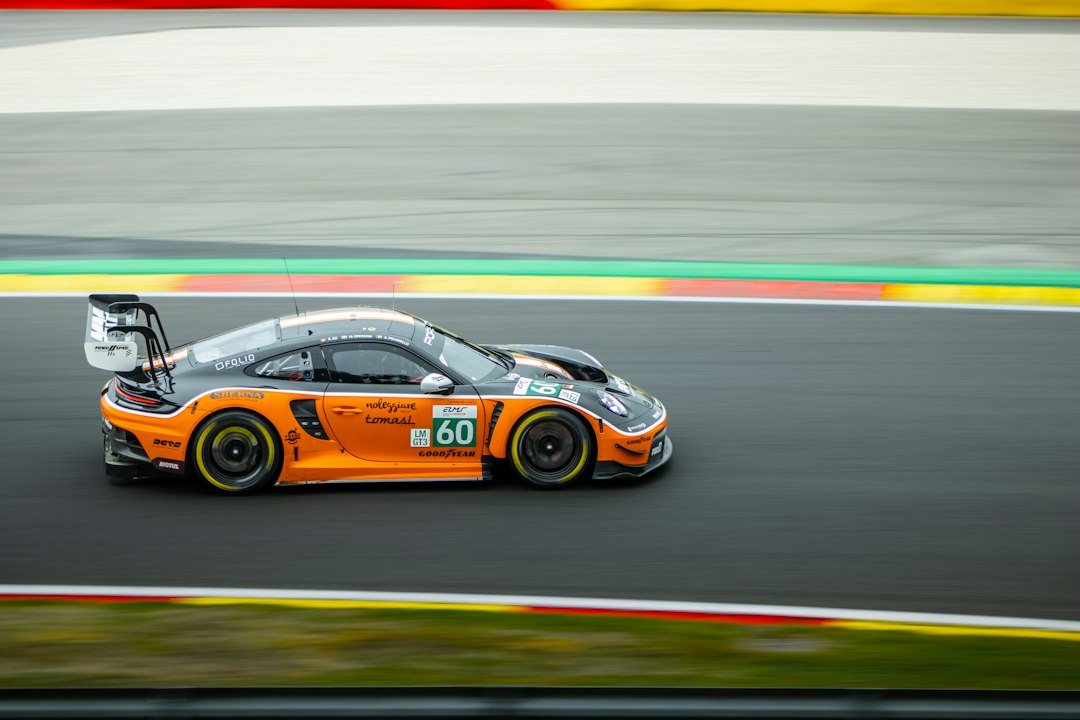
How Race Teams Can Measure Driver Improvement Over a Season
A team-ready framework for judging driver improvement across a season: comparable pace, repeatability, vehicle context, development decisions and retest evidence.
-

Kart Setup or Driver Error? How to Tell the Difference
Is a slower karting corner caused by setup or driver execution? Learn how to compare laps, check tire and vehicle factors, and choose a retest that separates the possibilities.
-

Alfano ADA Pro: Exporting and Interpreting Karting Data
Prepare Alfano ADA Pro exports for karting analysis: verify channels, headers, units and session conditions before drawing conclusions from telemetry.
-
Where Are You Losing Lap Time? Speed Traces and Sector Deltas
Find where you lose lap time using racing speed traces, sector splits and delta graphs. Separate driver inputs from vehicle factors before retesting.
-

How to Compare Two Racing Laps Without Misleading Yourself
Compare racing laps using clean samples, speed traces, lap-time deltas and track context. Avoid false conclusions and build a testable next-session plan.
-

Alfano 6 Telemetry Case Study: Why One Speed Trace Misleads
Five original Alfano 6 traces reveal a localized GPS speed anomaly—but not its cause. Learn what honest karting telemetry analysis can and cannot justify.


