Predictive Performance Intelligence for Competitive Drivers
Investigate the driver-side signals that may contribute to missed apexes, late corrections, or fading pace under real motorsport demand.
Built for karting, formula, GT, and competitive motorsport drivers.
Built around the physical and cognitive demands of real motorsport performance.
Supporting Competitive Drivers and Motorsport Teams
Performance Falls First. The Mistake Comes Later.
Most drivers only notice the visible outcome: a missed apex, delayed correction, inconsistent steering input, or fading pace.
Fortis looks earlier.
Fortis evaluates whether specific driver-side signals may be contributing to visible breakdown under sustained motorsport demand.
The Fortis Driver Intelligence System
Fortis is built around a progressive driver intelligence model: identify the likely signal, test a targeted intervention, then retest and refine.
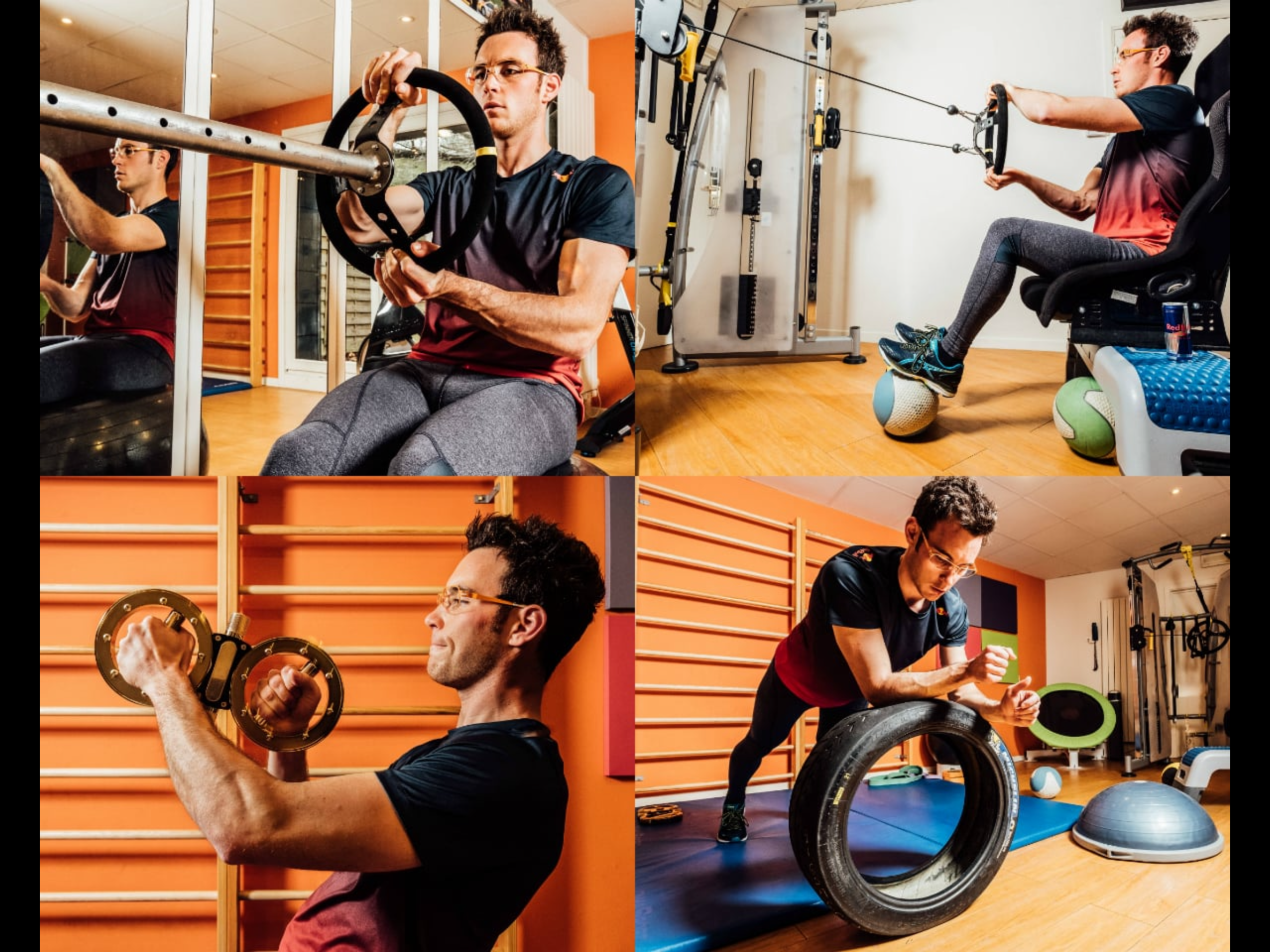
Phase 1 – Driver Intelligence Dossier
Estimate the driver-side signals most likely contributing to current performance drift, exposure zones, and likely track manifestations.

Phase 2 – Driver Performance Prescription
Convert your Phase 1 findings into a targeted 3–4 week intervention block designed to test whether improving the targeted driver-side capacity plausibly changes on-track control quality.
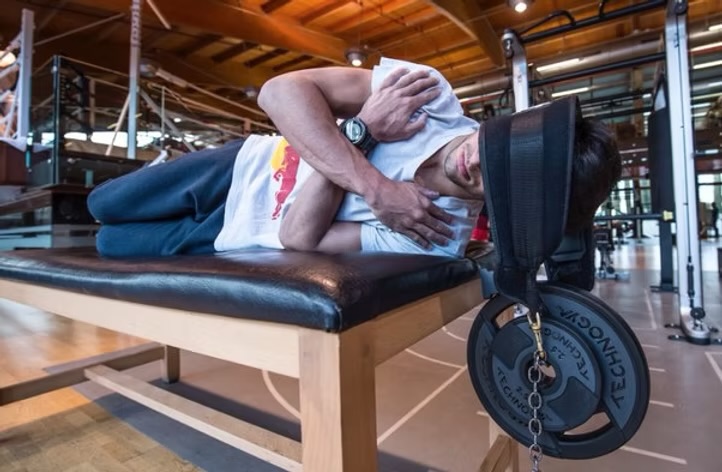
Phase 3 – Retest / Optimization Dossier
Retest whether the targeted driver-side signal changed and whether the observed changes plausibly align with track-side performance trends.
The Physical Signals Behind Driver Performance Drift
Fortis evaluates whether these capacities may contribute to deteriorating control quality under sustained motorsport demand.

Neck / Visual Control
Can the driver maintain head position, visual stability, and control under sustained cornering load?
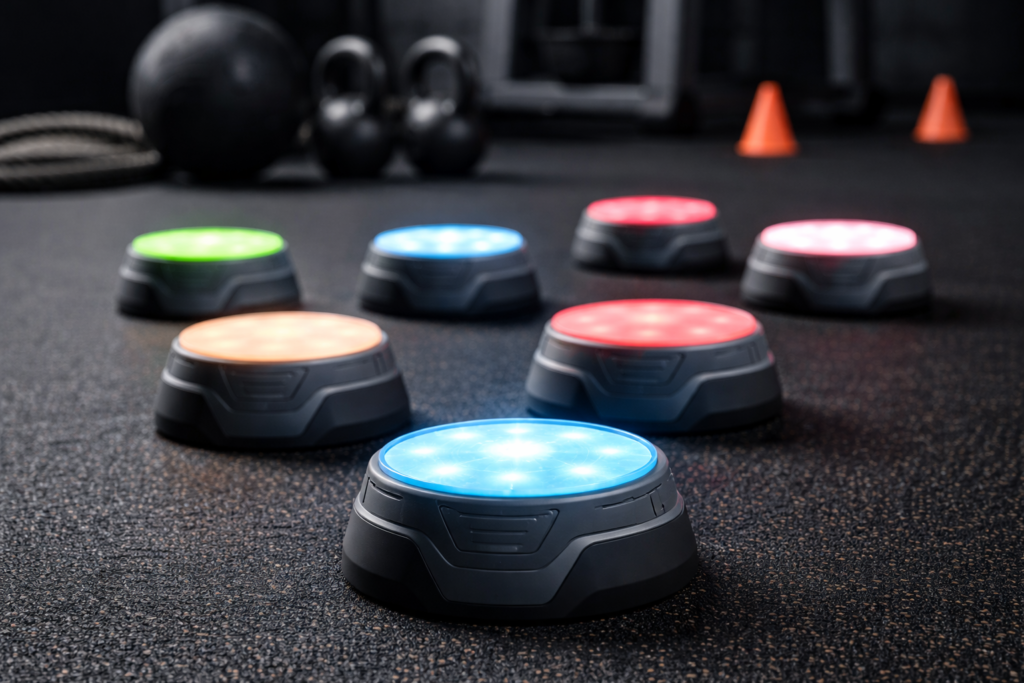
Reaction Timing
Does response speed hold up when fatigue, pressure, and decision load accumulate?
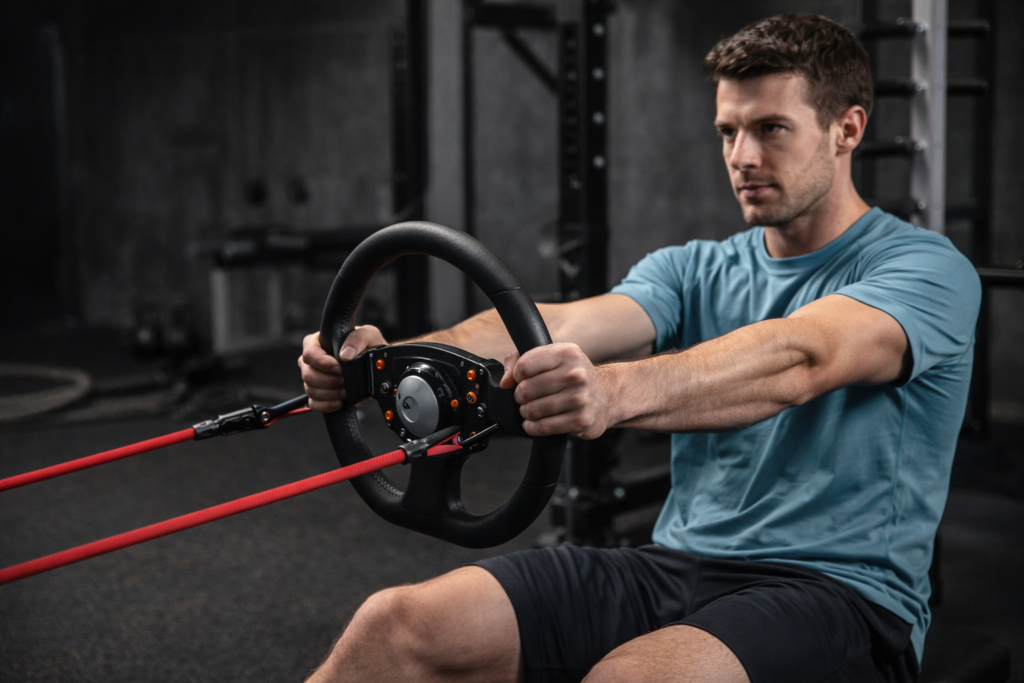
Steering Load
Tolerance
Can the driver maintain precise steering input under sustained upper-body demand?
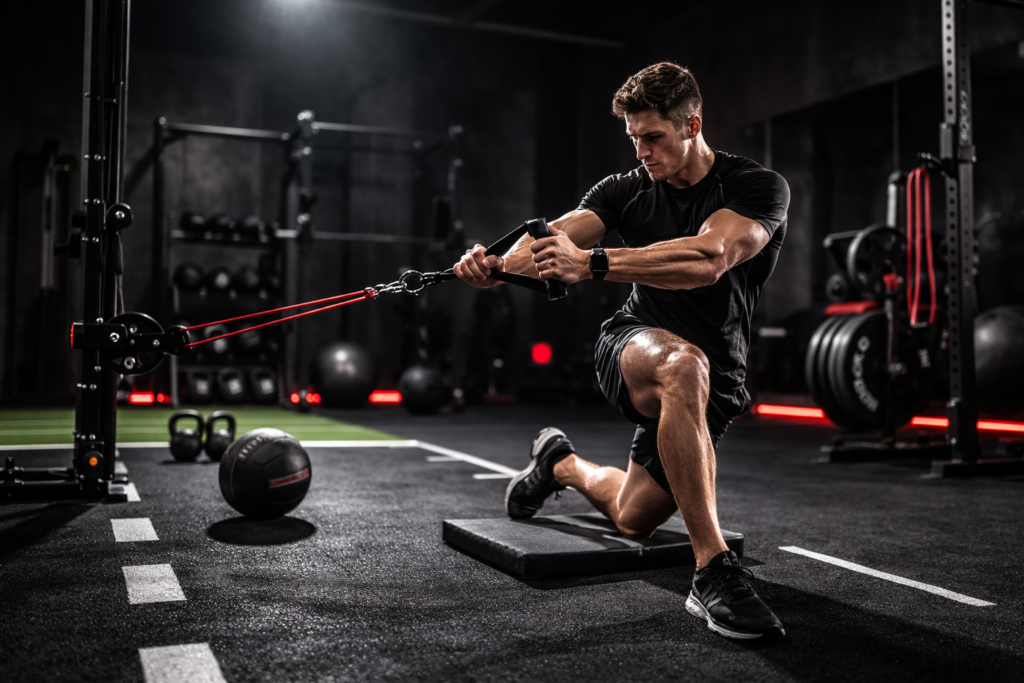
Rotational Control
Can the trunk, hips, and lower body stabilize fast corrections without leaking control?
Built Around Real Motorsport Demands
Fortis is designed around the physical and cognitive demands drivers actually face on track: sustained steering load, repeated correction timing, heat stress, neck fatigue, trunk control, and late-session precision loss.
The goal is not general fitness. The goal is to test whether improving specific driver-side capacities supports better control quality deeper into a session, stint, or race weekend.
Why Drivers Choose Fortis
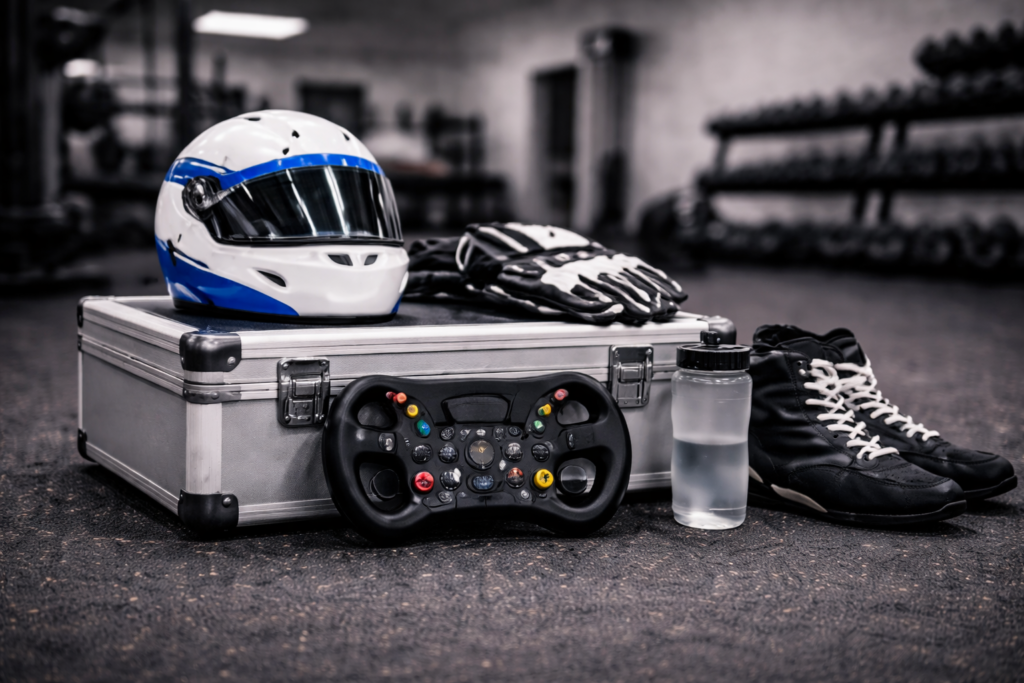
Predictive Driver Intelligence
Fortis investigates whether early driver-side deterioration signals may precede visible mistakes, delayed corrections, or fading consistency.
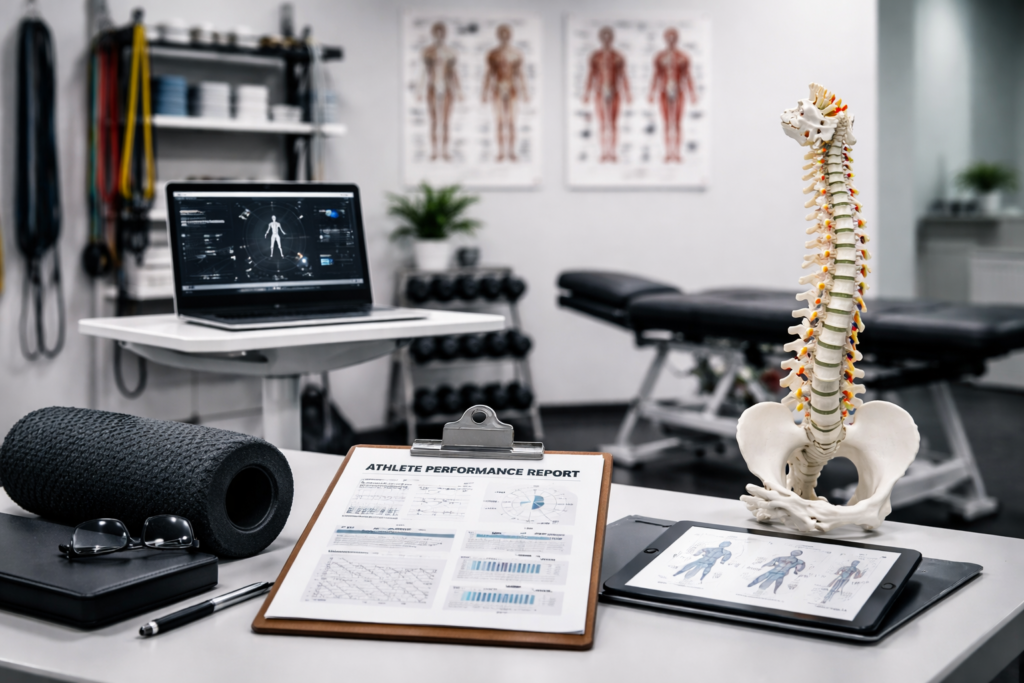
Clinical + Performance Lens
Physical therapy, strength and conditioning, and motorsport-specific performance logic are integrated into one driver system.
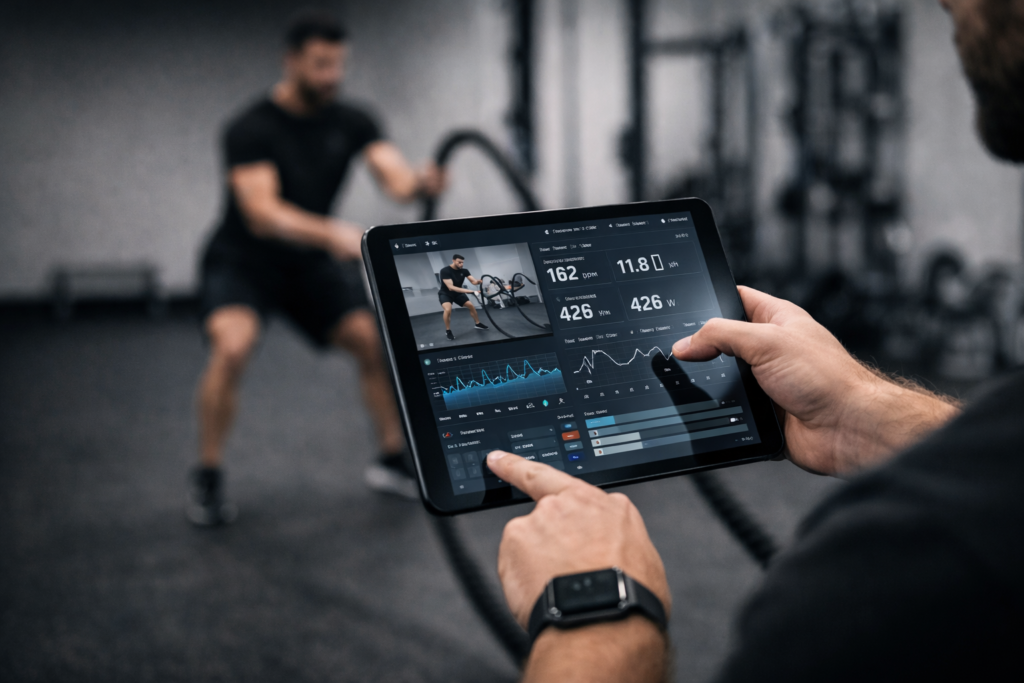
Track-Linked Interpretation
Your results are not just scores. They are used to generate testable on-track hypotheses, exposure zones, and next-step decisions.
Stop Guessing Where Your Driving Breaks Down
Start with the Fortis Driver Intelligence Dossier and identify the driver-side signals most likely contributing to consistency loss, correction demand, or late-session degradation.
Team Performance Consulting
Fortis partners with competitive karting and motorsport teams to identify driver performance drift, improve durability, and build systems for more consistent season-long output.